

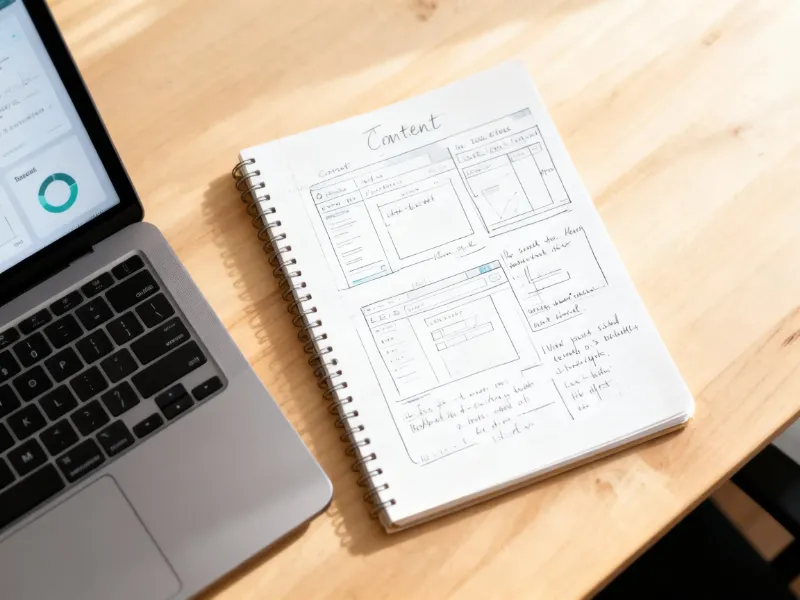
A traditional CMS manages content and renders the website in the same system. A headless CMS focuses on storing and delivering content through an API. A separate frontend decides how that content appears.
This separation can be useful when the same content is needed on a website, an app or another channel. It also lets the frontend team choose a framework that fits the user experience instead of using the CMS template layer.
Where the approach helps
Content types can be structured around the organisation rather than individual pages. A product, location or article can be reused in different layouts and channels. Frontend deployments can also be separated from changes to the content system.
Performance depends on the complete implementation, not on the word headless. Static generation, caching and careful image handling can produce fast pages, while an inefficient API or excessive client-side JavaScript can still cause problems.
The trade-offs
A headless setup introduces at least two systems: the CMS and the frontend. Preview, search, forms and page composition may require extra work. Editors also need a content model and preview workflow that make sense for their daily tasks.
For a small website with simple requirements, a traditional CMS can be easier and less expensive to operate. Headless becomes more attractive when content is structured, reused across channels or combined with custom application features.
When Strapi is a useful option
Strapi can be a good fit when a project needs structured content, editorial roles and API delivery to one or more frontends. Before choosing it, we review who edits the content, how preview should work and which integrations are required.
Astro or Next.js can work with Strapi as well as other content approaches, including content stored directly in the project. The architecture should make the content team more effective as well as giving developers technical flexibility.